Introduction Scope on Digital Marketing
In today’s fast-paced digital era, businesses no longer rely solely on traditional marketing methods like print ads, billboards, or television commercials. Instead, they are increasingly turning toward the internet to promote their brands, products, and services. This transformation has given birth to a powerful field known as Scope on digital marketing — a modern approach that uses digital platforms to connect with audiences worldwide.
The scope on digital marketing has expanded tremendously in the last decade. With the rise of smartphones, social media, e-commerce, and online communication, digital marketing has become one of the most sought-after career paths and business tools in the 21st century. From small startups to global corporations, everyone is leveraging digital channels to grow, engage customers, and build long-term relationships.
This article explores the vast scope on digital marketing — its importance, types, career opportunities, future trends, and why it has become the backbone of the modern business landscape.

1. Understanding Digital Marketing Scope on Digital Marketing
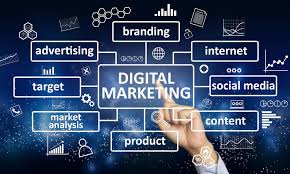
Digital marketing refers to the use of internet-based platforms and digital technologies to promote brands, products, or services. It encompasses a wide range of techniques, including Search Engine Optimization (SEO), Social Media Marketing (SMM), Pay-Per-Click Advertising (PPC), Email Marketing, Content Marketing, Influencer Marketing, and more.
Unlike traditional marketing, digital marketing focuses on reaching customers through online touchpoints such as search engines, social media networks, websites, mobile apps, and email. It allows marketers to target specific audiences, measure performance in real-time, and optimize campaigns for better results.
For example, when you search for a product on Google, watch a video on YouTube, scroll through Instagram, or receive a promotional email — all of these are forms of digital marketing at work.
2. Why Digital Marketing Has Become Essential
The success of modern businesses largely depends on their online presence and digital strategy. Here’s why digital marketing is no longer optional but essential:
a. Internet Penetration
With over 5 billion internet users globally, digital marketing provides businesses with a massive audience to reach at a fraction of traditional marketing costs.
b. Affordable and Measurable
Unlike print or TV ads, digital marketing campaigns can be launched with any budget and tracked using analytics tools like Google Analytics, allowing marketers to measure ROI precisely.
c. Targeted Reach
Marketers can target audiences based on demographics, interests, behavior, and location — ensuring that ads are shown to people most likely to convert.
d. Customer Engagement
Social media platforms such as Instagram, Facebook, LinkedIn, and X (formerly Twitter) enable businesses to engage directly with customers, build communities, and strengthen brand loyalty.
e. Flexibility and Adaptability
Digital campaigns can be adjusted in real-time based on performance, which helps maximize efficiency and minimize losses.
3. The Growing Demand Scope on Digital Marketing
The COVID-19 pandemic accelerated the digital revolution. As businesses were forced online, the demand for digital marketing professionals skyrocketed. According to industry reports, digital marketing jobs are among the top 10 most in-demand skills globally.
Major sectors — from education and healthcare to e-commerce and real estate — are investing heavily in digital marketing. For instance:
- E-commerce platforms rely on SEO, paid ads, and influencer marketing.
- Educational institutions promote online courses through content marketing and YouTube campaigns.
- Healthcare providers use social media and blogs to educate patients.
- Startups use digital marketing to establish brand awareness cost-effectively.
This rising demand ensures an excellent career scope for students, professionals, and entrepreneurs alike.
4. Different Types of Digital Marketing
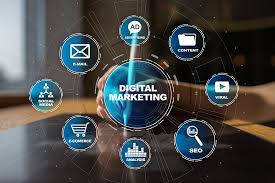
Understanding the types of digital marketing helps identify where the best opportunities lie. The major types include:
1. Search Engine Optimization (SEO)
SEO is the process of optimizing websites to rank higher on search engines like Google. It involves keyword research, content optimization, link building, and improving website speed and structure. A strong SEO strategy ensures long-term organic traffic growth.
2. Pay-Per-Click (PPC) Advertising
PPC involves paying for every click on your ad. Platforms like Google Ads and Bing Ads allow businesses to appear at the top of search results instantly. It’s one of the fastest ways to generate leads.
3. Social Media Marketing (SMM)
SMM uses platforms like Facebook, Instagram, LinkedIn, and TikTok to connect with audiences, increase brand awareness, and drive engagement. Social media has become a crucial tool for both B2B and B2C companies.
4. Content Marketing
Content is the heart Scope on digital marketing. This strategy focuses on creating valuable, relevant, and engaging content — like blogs, videos, infographics, and podcasts — to attract and retain customers.
5. Email Marketing
Despite being one of the oldest digital channels, email marketing remains highly effective. It helps nurture leads, deliver personalized offers, and keep customers informed about brand updates.
6. Influencer Marketing
Collaborating with social media influencers or creators helps brands tap into loyal audiences and build trust. This form of marketing has exploded in popularity with platforms like Instagram, YouTube, and TikTok.
7. Affiliate Marketing
In this model, affiliates (publishers or influencers) promote a brand’s products and earn a commission for each sale made through their referral links.
8. Mobile Marketing
With mobile phones dominating internet usage, marketers use SMS, mobile apps, and push notifications to target users effectively.
9. Video Marketing
Videos are one of the most engaging forms of content today. Platforms like YouTube, Instagram Reels, and TikTok allow brands to communicate creatively with global audiences.
5. Career Scope Opportunities on Digital Marketing
The scope of digital marketing is immense when it comes to career opportunities. Some of the most promising roles include:
a. Digital Marketing Manager
Oversees the entire digital marketing strategy, manages campaigns, and ensures ROI optimization.
b. SEO Specialist
Focuses on improving website rankings on search engines and driving organic traffic.
c. Social Media Manager
Handles brand presence across social platforms, engages with audiences, and manages social campaigns.
d. Content Strategist or Copywriter
Creates and plans content that aligns with brand goals and audience preferences.
e. PPC Expert
Manages paid advertising campaigns on platforms like Google Ads and Meta Ads.
f. Email Marketing Specialist
Designs and executes email campaigns to nurture and convert leads.
g. Data Analyst
Analyzes campaign data, interprets trends, and provides insights for better decision-making.
h. Influencer Marketing Manager
Collaborates with influencers, negotiates deals, and manages promotional content.
i. E-commerce Specialist
Optimizes online store performance, manages product listings, and enhances the customer buying experience.
j. Marketing Automation Specialist
Implements and manages tools like HubSpot, Mailchimp, and Salesforce to automate marketing processes.
Each of these roles offers strong salary potential and career growth. According to recent industry data, digital marketers in India earn between ₹3 Lakh to ₹12 Lakh per year, depending on experience and specialization.
6. Scope for Businesses and Entrepreneurs
For entrepreneurs, the scope of digital marketing is equally promising. It allows small and medium-sized businesses (SMBs) to compete with large corporations through cost-effective online strategies.
- Brand Visibility: Digital platforms like Google, Facebook, and YouTube provide affordable exposure.
- Customer Insights: Analytics tools offer valuable data on customer behavior and preferences.
- Global Reach: Even small brands can target international markets using digital ads.
- 24/7 Marketing: Websites and ads run continuously, ensuring business promotion round the clock.
- Lead Generation: Digital campaigns generate high-quality leads that convert better than traditional methods.
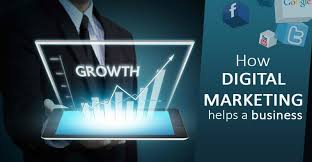
Startups, in particular, benefit from digital marketing due to its affordability and scalability.
7. The Future Scope on Digital Marketing
The future of digital marketing is brighter than ever. Emerging technologies are transforming the field into a more data-driven and personalized experience. Here are some key future trends:
a. Artificial Intelligence (AI) and Machine Learning
AI tools analyze consumer behavior and automate campaigns. Chatbots, predictive analytics, and personalized ads are becoming mainstream.
b. Voice Search Optimization
With the rise of smart speakers like Alexa and Google Assistant, optimizing content for voice search is crucial.
c. Video and Interactive Content
Short-form videos and interactive posts (polls, quizzes, AR filters) are the future of engagement.
d. Augmented and Virtual Reality (AR/VR)
Brands are using AR and VR for virtual try-ons, 3D product views, and immersive ad experiences.
e. Data Privacy and Ethical Marketing
Consumers are becoming more aware of data privacy. Transparent and ethical marketing will gain more trust.
f. Automation and Personalization
Automation tools help deliver personalized experiences at scale — from email campaigns to website content.
8. Global Scope of Digital Marketing
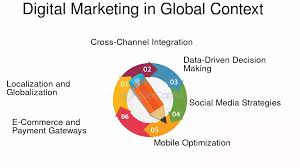
Digital marketing is not limited by geography. The global digital economy has opened up opportunities across continents:
- United States: One of the largest markets for digital marketing professionals.
- India: A booming hub for outsourcing, training, and freelancing in digital marketing.
- United Kingdom & Canada: Strong focus on e-commerce and content-based marketing.
- Middle East: Rapidly growing online retail and social media usage.
- Australia & Europe: High demand for SEO, analytics, and automation experts.
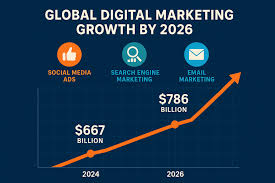
The global digital advertising market is projected to surpass $800 billion by 2030, indicating exponential growth and opportunity.
9. Learning Digital Marketing: Courses and Skills
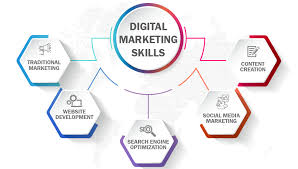
To succeed in digital marketing, one must continuously learn and upgrade their skills. Essential areas to focus on include:
- SEO & SEM (Search Engine Optimization/Marketing)
- Social Media Management
- Google Ads & Analytics
- Content Strategy & Copywriting
- Email Campaigns
- Graphic Design & Video Editing Basics
- Web Analytics & Conversion Optimization
Several institutes and online platforms offer certification courses. For example, Google Digital Garage, HubSpot Academy, and Coursera provide free and paid programs.
If you’re based in India, enrolling in the best digital marketing course in Noida, Delhi, or Mumbai can help you gain practical exposure and placement support.
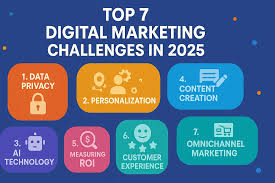
10. Challenges in Digital Marketing
While the scope is vast, digital marketing also comes with challenges:
- Constant Algorithm Changes: Google and social media platforms frequently update their algorithms, affecting visibility.
- High Competition: Millions of brands compete for audience attention daily.
- Data Privacy Concerns: Marketers must comply with regulations like GDPR.
- Technology Adaptation: Rapid technological change requires continuous learning.
- Content Saturation: Standing out among endless online content requires creativity and innovation.
Overcoming these challenges requires adaptability, skill, and a data-driven approach.
Conclusion
The scope on digital marketing is not just limited to marketing professionals — it extends to businesses, freelancers, entrepreneurs, and students. As more people spend their time online, brands will continue to invest in digital channels to reach, engage, and convert their audiences.
From SEO and social media marketing to AI-driven personalization, digital marketing offers endless opportunities for creativity, innovation, and growth. Whether you want to start your career, grow your business, or become an influencer — mastering digital marketing opens doors to a rewarding and future-proof career.
In short, the future belongs to those who understand the digital world. With continuous learning and the right strategies, the scope of digital marketing will only continue to expand — shaping the way businesses and consumers connect in the digital age.